Why Home Language Matters for Multilingual Students
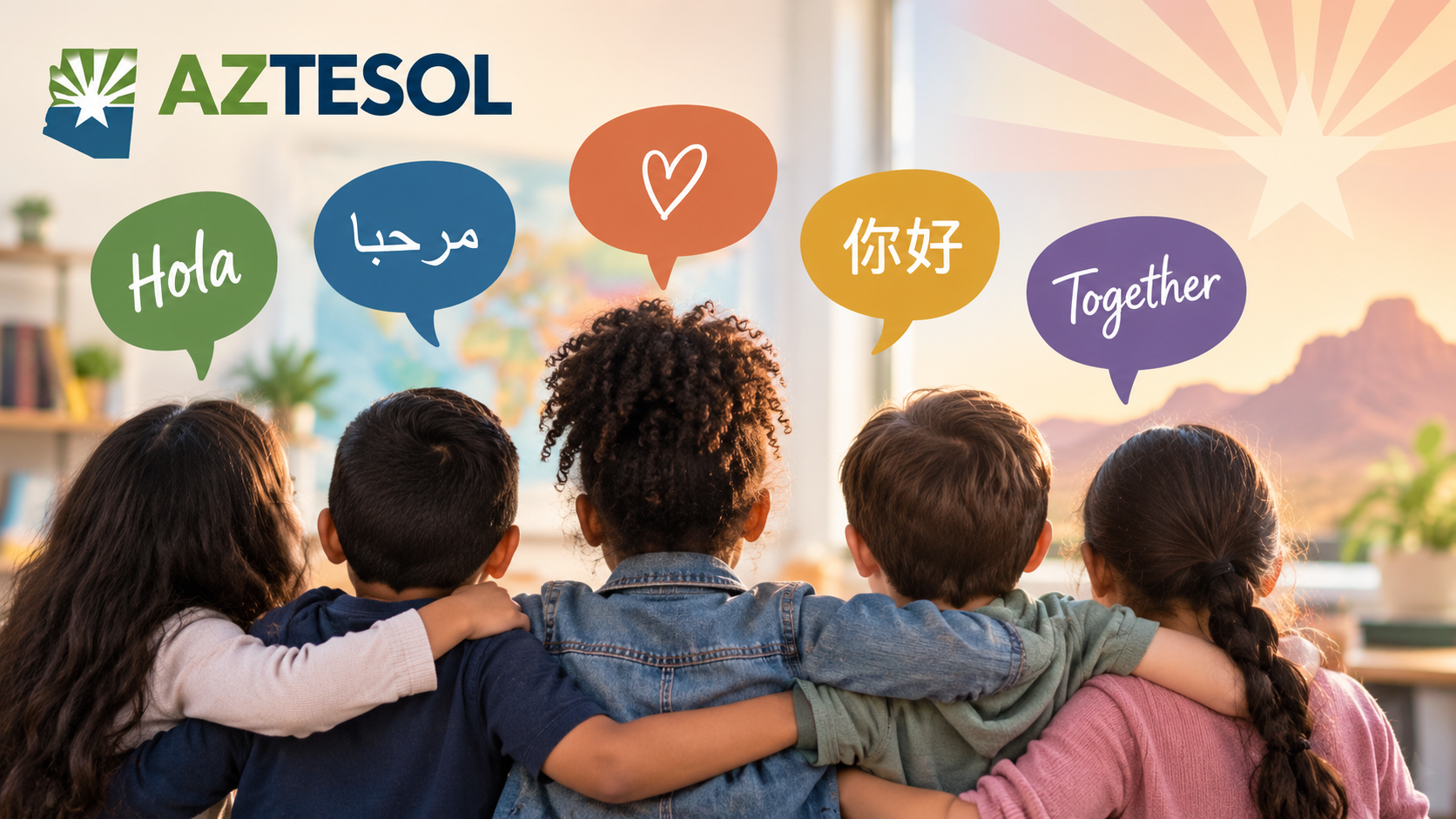
Students’ home languages are an important part of their identities, families, communities, and learning. Research in multilingual education demonstrates that students’ existing linguistic knowledge can be a valuable resource as they develop English and learn academic content.
The Value of Home Languages
When schools recognize and build upon the languages students already know, they can create stronger connections between prior knowledge and new learning. Research on multilingual learners and bilingual education has associated well-designed approaches that develop students’ linguistic resources with benefits including:
- supporting English language development and academic learning;
- strengthening students’ sense of identity and belonging;
- developing bilingualism and biliteracy; and
- expanding opportunities for students to communicate, learn, and participate across languages and communities.
Home-language use does not compete with learning English. Instead, students can draw upon their full linguistic repertoires as they develop English proficiency and engage with increasingly complex academic content.
Moving Beyond English-Only Approaches
Arizona has a complicated history of language-education policy, including Proposition 203, approved by voters in 2000, which significantly restricted bilingual instruction for English learners.
AZTESOL supports educational approaches that move beyond restrictive English-only models and recognize multilingualism as an asset. We advocate for high-quality, research-informed language education that supports English development while creating opportunities for students to develop and sustain their home languages.
Supporting the Whole Learner
Valuing home languages is about more than language instruction. It communicates to students and families that their languages, cultures, knowledge, and experiences belong in our educational communities.
AZTESOL will continue to support educators in creating linguistically responsive learning environments and advocate for policies and practices that expand opportunities for Arizona’s multilingual learners.